23
2026
-
05
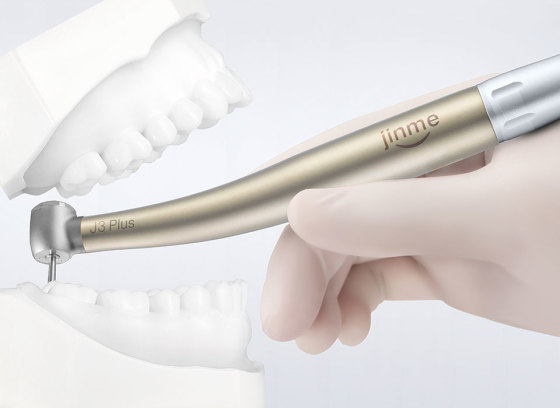
Low-speed dental handpieces are versatile instruments used in procedures where precision and control are especially important. Unlike high-speed models, which can exceed 400,000 rpm, low-speed handpieces commonly operate between 10,000 and 40,000 rpm. Their lower speeds support controlled work for particular tasks.
Common applications include cavity preparation and polishing. During preparation, the clinician removes decayed tissue while preserving surrounding tooth structure. Lower speeds can support controlled removal. During polishing, they allow the tooth surface to be finished with appropriate care.
Low-speed handpieces can accommodate a range of attachments, burs, abrasives and polishing instruments. This versatility supports different clinical tasks, including procedures that require careful cleaning and shaping.
From the patient's perspective, low-speed operation may offer a more comfortable experience. Compared with high-speed operation, it can generate less noise and vibration. Controlled operation also supports a gentle clinical approach.
Cleaning, lubrication and sterilisation are essential to service life and consistent operation. Appropriate maintenance helps prevent contamination and supports safe use. Always follow the instructions for the particular device.
Low-speed handpieces are established tools in modern dentistry, supporting precision, versatility and patient comfort. Understanding their functions helps dental professionals select suitable instruments for preparation, polishing and other procedures.
Building 19, Wanyang Technology Innovation Park, Shishan Town, Nanhai District, Foshan, Guangdong, China
Phone:
0757-88777979
Email:
info@jinmedental.com